VIRTUAL REALITY MOTORCYCLE SIMULATOR
Virtual reality bike simulators represent a major evolution in immersive cycling and motorbike training technology. Instead of relying on flat screens or traditional indoor cycling setups, VR places the rider directly inside a fully interactive 3D environment. Through a VR headset, users experience a fully embodied sense of riding where balance, speed, and spatial awareness feel significantly closer to real-world cycling or motorbike riding.Within the BikeVR division of Forcetronic, virtual reality cycling and motorbike simulation technologies are designed to deliver high levels of realism, combining visual immersion with responsive controls and physical feedback systems. This creates a training and entertainment platform suitable for both casual riders and advanced simulation users.
Immersive Riding Experience in Virtual Reality
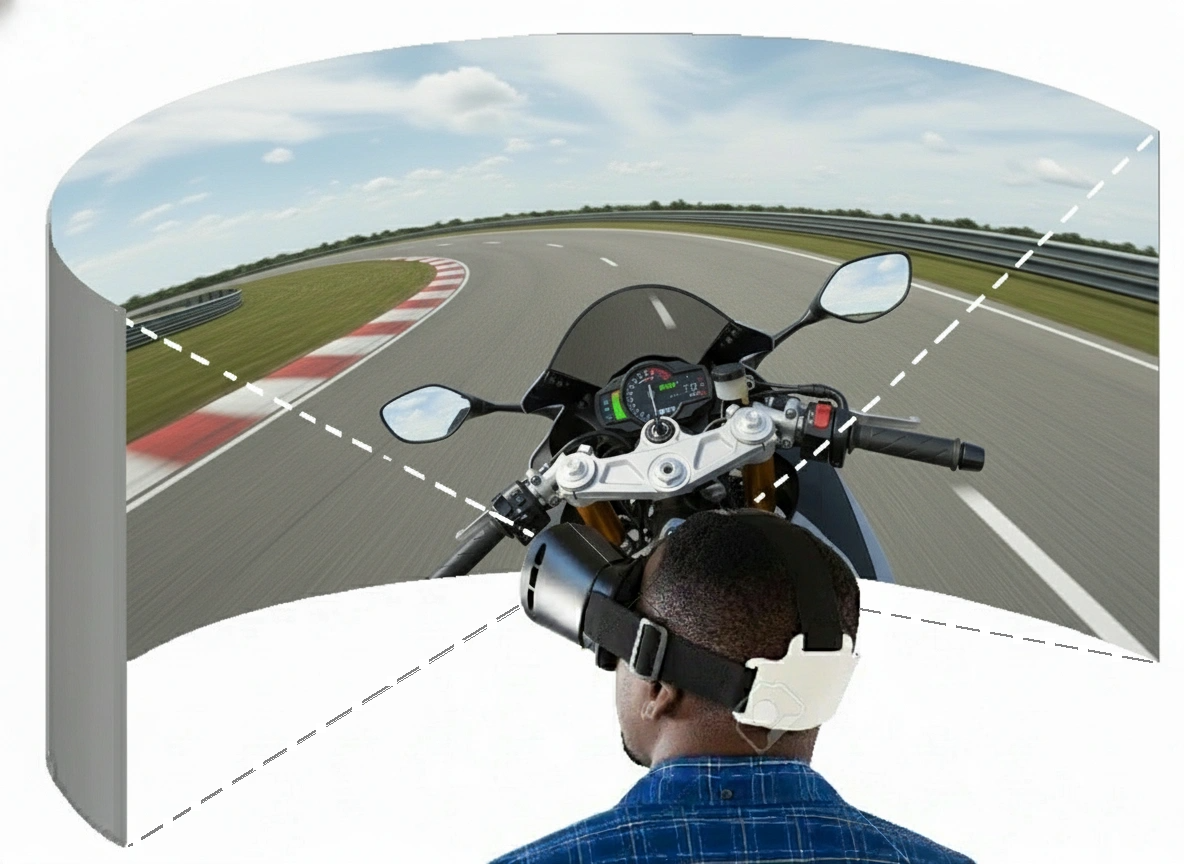
A key advantage of VR bike simulators is the ability to physically feel “inside” the riding environment. Instead of watching a screen, users are surrounded by a full 360-degree world that reacts naturally to head movement and direction of travel.Whether simulating a road bike, mountain bike, or motorbike experience, VR allows riders to focus on natural movement, positioning, and awareness. This leads to a far more engaging experience compared to traditional cycling games or static indoor trainers.The result is a highly immersive environment where users can look through corners, check surroundings, and maintain awareness of traffic, terrain, or other competitors in real time.
Realistic Motion, Balance, and Control
Modern VR bike simulators increasingly focus on replicating real cycling physics. Depending on the system used, riders may interact with handlebar-mounted controls, steering inputs, or full-body leaning mechanics that simulate real bike balance.Advanced systems—such as motion-enabled platforms and sensor-driven trainers—allow the simulation to reflect:
- Body lean and weight distribution
- Steering response and handlebar input
- Pedalling resistance and terrain changes
- Braking and acceleration dynamics
This combination of physical input and VR visual feedback creates a more authentic riding experience that can support both fitness training and skill development.
VR Motorbike Simulation and Controller-Based Riding
In motorbike-focused VR systems, riders often control the bike using VR hand controllers or handlebar-style input devices. This allows for a more direct connection between rider and machine, simulating throttle control, steering, and braking in a natural way.Recent developments in VR motorbike simulation show increasing realism in physics-based handling, including lane filtering, cornering dynamics, and high-speed stability. These systems are not only used for entertainment but also for research, training, and reaction development in controlled environments.
Spatial Awareness and 3D Depth Perception
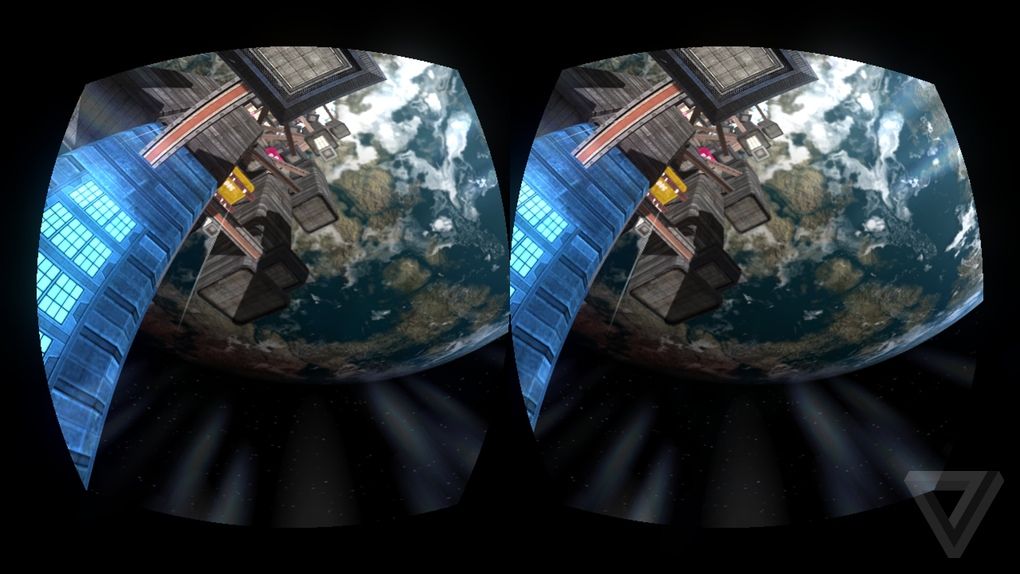
One of the most important features of virtual reality bike simulators is stereoscopic 3D depth perception. VR headsets display slightly different images to each eye, allowing the brain to interpret true depth and distance.This has significant benefits for cycling and motorbike simulation, including improved judgment of:
- Distance to other riders or vehicles
- Corner apexes and turning points
- Road surface changes and obstacles
- Speed relative to environment scale
Accurate depth perception helps users develop better timing, positioning, and reaction skills, making VR simulation particularly useful for training scenarios.
Full 360° Head Tracking and Environmental Awareness
VR bike simulators use advanced head-tracking technology to allow users to look freely in any direction. This creates a natural riding experience where situational awareness becomes instinctive. Riders can:
- Look over shoulders to check blind spots
- Scan ahead for turns, hazards, or terrain changes
- Monitor surrounding traffic or competitors
- Navigate complex environments more naturally
This level of freedom is a major improvement over fixed-screen simulators, where field of view is limited and awareness is reduced.
Integration with Fitness and Smart Trainer Systems
Many VR cycling systems integrate with smart trainers, cadence sensors, or resistance-controlled bikes. This allows the virtual environment to respond dynamically to physical effort.For example, climbing a virtual hill increases resistance, while descending reduces it. This creates a consistent link between real-world effort and virtual movement, making VR cycling suitable for endurance training, fitness goals, and structured workouts.Systems like these are widely used in indoor cycling platforms and are increasingly being adapted into VR-specific environments that prioritise immersion as well as performance tracking.
Spatial Audio and Environmental Feedback
Audio plays a crucial role in VR bike simulators. Spatial sound systems ensure that environmental noise originates from accurate directions, improving realism and reaction time.Common audio cues include:
- Passing vehicles approaching from behind or the side
- Tire noise and road surface feedback
- Engine sounds for motorbike simulations
- Wind resistance effects at higher speeds
This layered audio environment enhances immersion and supports rider awareness, especially in fast-paced simulation scenarios.
Choosing the Right VR Bike Simulator Setup
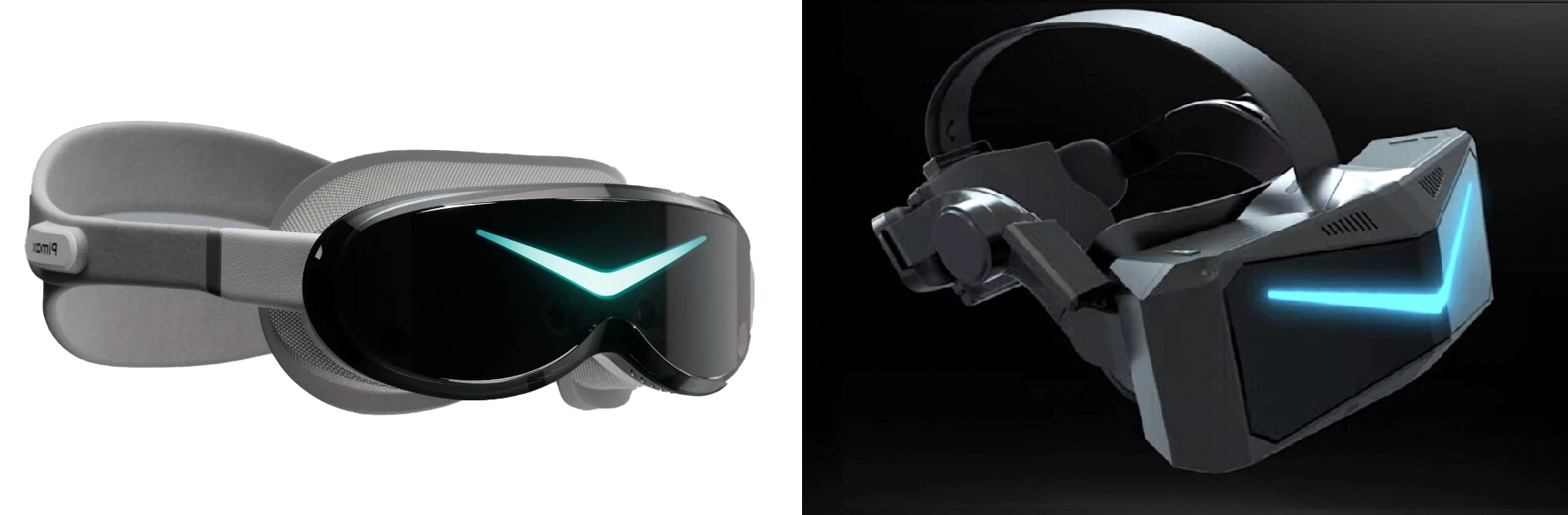
VR bike simulation setups vary widely depending on performance goals and budget. Lightweight headset-only systems are ideal for casual users, while advanced setups may include motion platforms, smart trainers, and custom handlebar rigs.Key considerations when selecting a setup include:
- Comfort during long sessions
- Field of view and visual clarity
- Compatibility with cycling or motorbike software
- Level of motion integration and resistance feedback
The Future of Virtual Reality Cycling and Motorbike Simulation
The BikeVR platform is designed to support a range of VR hardware configurations, allowing users to tailor their experience based on their specific needs.
Summary
As VR technology continues to advance, bike simulators are becoming more realistic, accessible, and responsive. Improvements in headset resolution, tracking precision, and motion integration are pushing virtual cycling closer to real-world performance.Across the ForceTronic ecosystem—including truckVR, RaceVR, flightVR, and BikeVR—virtual reality is being used to simulate a wide range of vehicle experiences. This multi-platform approach highlights how VR is becoming a core tool for training, entertainment, and professional simulation across different transport categories.In the coming years, VR bike simulators are expected to play a larger role in fitness training, esports cycling, motorbike skill development, and immersive gaming experiences.
Virtual reality bike simulators provide a highly immersive and interactive way to experience cycling and motorbike riding. With realistic 3D depth perception, full 360° head tracking, spatial audio, and integration with smart trainer systems, VR creates an environment that closely mirrors real-world riding conditions. Within the BikeVR platform at Forcetronic, these technologies come together to deliver a next-generation simulation experience designed for performance, training, and immersive entertainment.